2026-10-10 · Maria Rodriguez
Why German Cockroaches Persist in Pharr Apartments After Rain
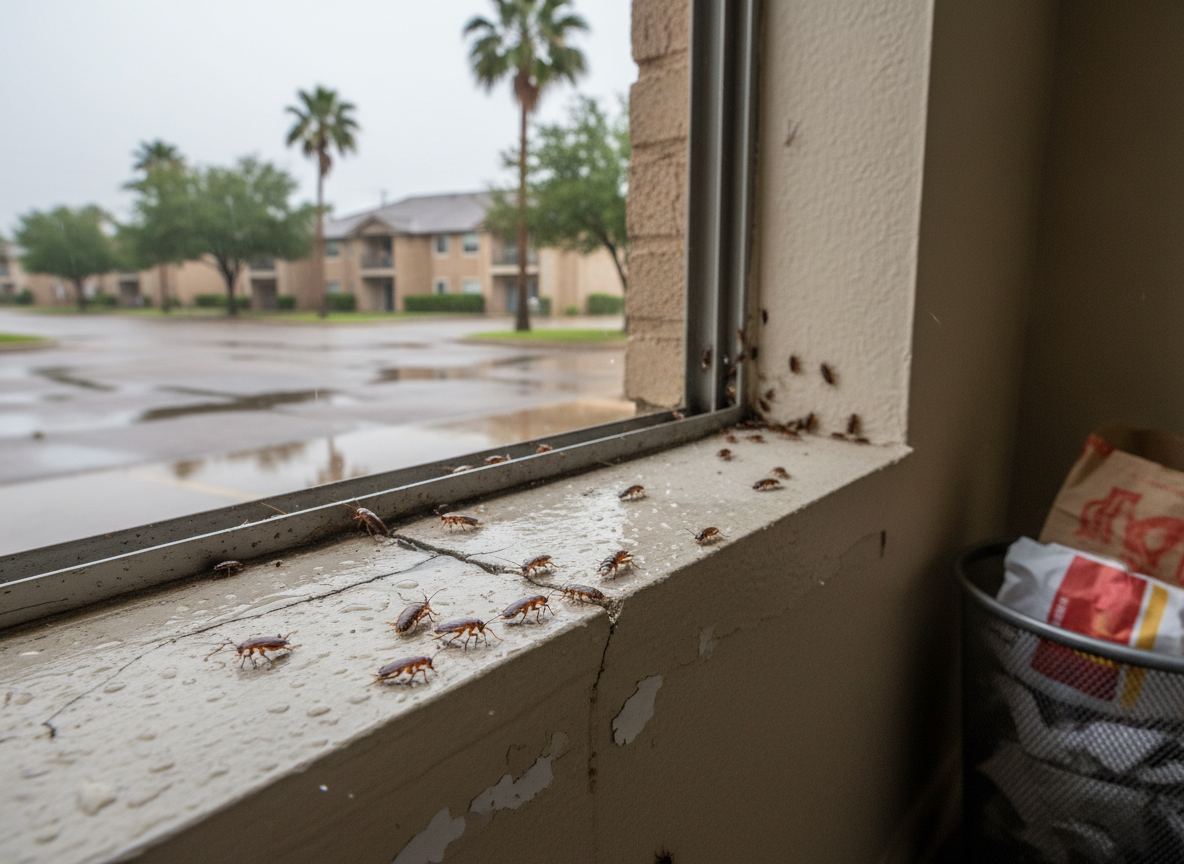
German cockroaches persist in Pharr apartments after rain primarily due to the sudden increase in humidity and the flooding of their outdoor harborage areas, forcing them indoors. This, coupled with their rapid reproduction and ability to exploit structural weaknesses in buildings common in areas like Downtown Pharr, creates ideal conditions for infestations. The humid subtropical climate of Hidalgo County, characterized by hot summers and frequent heavy rain events, plays a significant role in this phenomenon. When the ground becomes saturated, these resilient pests seek higher, drier ground, often finding refuge within the protective confines of apartments in Pharr, McAllen, and Edinburg. Their small size allows them to easily slip through tiny cracks and crevices, making even well-maintained buildings vulnerable.
Pharr's Climate and Cockroach Behavior
Pharr's climate is a significant factor in understanding German cockroach persistence. The region experiences a humid subtropical climate with hot summers, and while rain can bring temporary relief from the heat, it often ushers in a new set of challenges for residents, particularly concerning pests. German cockroaches, unlike some other species, are not typically found in large numbers outdoors unless conditions are exceptionally favorable. However, heavy rainfall, common during our summer months, can saturate the ground and flood their usual outdoor hiding spots in leaf litter, debris, or sewer systems. This displacement drives them indoors, where they seek shelter, food, and water. Apartments, especially older structures in areas like North Pharr or South Pharr, often have numerous entry points that become highways for these displaced roaches.
Once inside, the elevated humidity levels after a rain event create an even more hospitable environment. German cockroaches thrive in warm, moist conditions, which are abundant in kitchens, bathrooms, and utility closets within Pharr apartments. The increased moisture can also lead to mold growth or damp areas, providing additional food sources and harborage. Understanding these climate-driven behaviors is crucial for effective German cockroach extermination in our community. Without addressing the underlying factors, treatments might offer only temporary relief, as new populations are constantly being pushed indoors by the elements.
Structural Vulnerabilities in Pharr Apartments
The age and construction style of many apartments in Pharr contribute significantly to German cockroach persistence, especially following rain. Many buildings, particularly those in established neighborhoods near Pharr Memorial Park or the Pharr Public Library, may have older infrastructure. This can include: tiny gaps around pipes and utility lines, unsealed cracks in foundations or walls, and worn-out weather stripping around doors and windows. These seemingly minor imperfections become critical entry points for cockroaches seeking refuge from saturated outdoor conditions. Even newer constructions can have overlooked gaps or poorly sealed areas, providing easy access.
Once inside, the complex internal structures of apartments offer countless hiding spots. German cockroaches are thigmotactic, meaning they prefer tight spaces where they can feel surfaces on all sides of their bodies. This makes wall voids, behind appliances, inside electrical outlets, and under sinks prime harborage areas. After heavy rains, when outdoor conditions become unfavorable, these pests simply migrate deeper into these protected indoor spaces. Effective control requires not just treating visible areas but also understanding and addressing these hidden harborage points. A thorough Cockroach Inspection is often the first step to identifying these vulnerabilities.
Rapid Reproduction and Infestation Dynamics
One of the most challenging aspects of German cockroach control, particularly after environmental disturbances like heavy rain, is their incredibly rapid reproductive cycle. A single female German cockroach can produce 4–8 oothecae (egg cases) in her lifetime, each containing 30–48 eggs. These eggs hatch in approximately 28 days, and the nymphs reach maturity in about 60–90 days. This means that a small influx of cockroaches after a rain event can quickly escalate into a full-blown infestation if not addressed promptly. This rapid turnover makes them highly adaptable and difficult to eradicate.
The high reproductive rate means that even if a significant portion of an existing population is eliminated, the remaining few can quickly repopulate. This is why a single treatment is rarely sufficient for German cockroaches. The presence of numerous hiding spots within apartments further complicates matters, as many individuals, especially nymphs, can evade initial treatments. This cycle of rapid reproduction, coupled with their ability to quickly find new harborage, explains why they persist even after professional intervention. For more insights on identifying these pests, you might find our article on Signs of German Cockroach Infestation in Pharr Kitchens helpful.
Food, Water, and Shelter: The Indoor Advantage
Apartments provide the trifecta of survival for German cockroaches: readily available food, water, and shelter, which become even more critical after rain displaces them from outdoor sources. Kitchens are particularly attractive, offering crumbs, grease, and food spills. Even seemingly clean apartments can harbor enough food particles in cracks, crevices, or behind appliances to sustain a population. Bathrooms and utility areas provide consistent access to water from leaky pipes, condensation, or even residual moisture after showering. These consistent resources allow them to thrive once they've gained entry.